
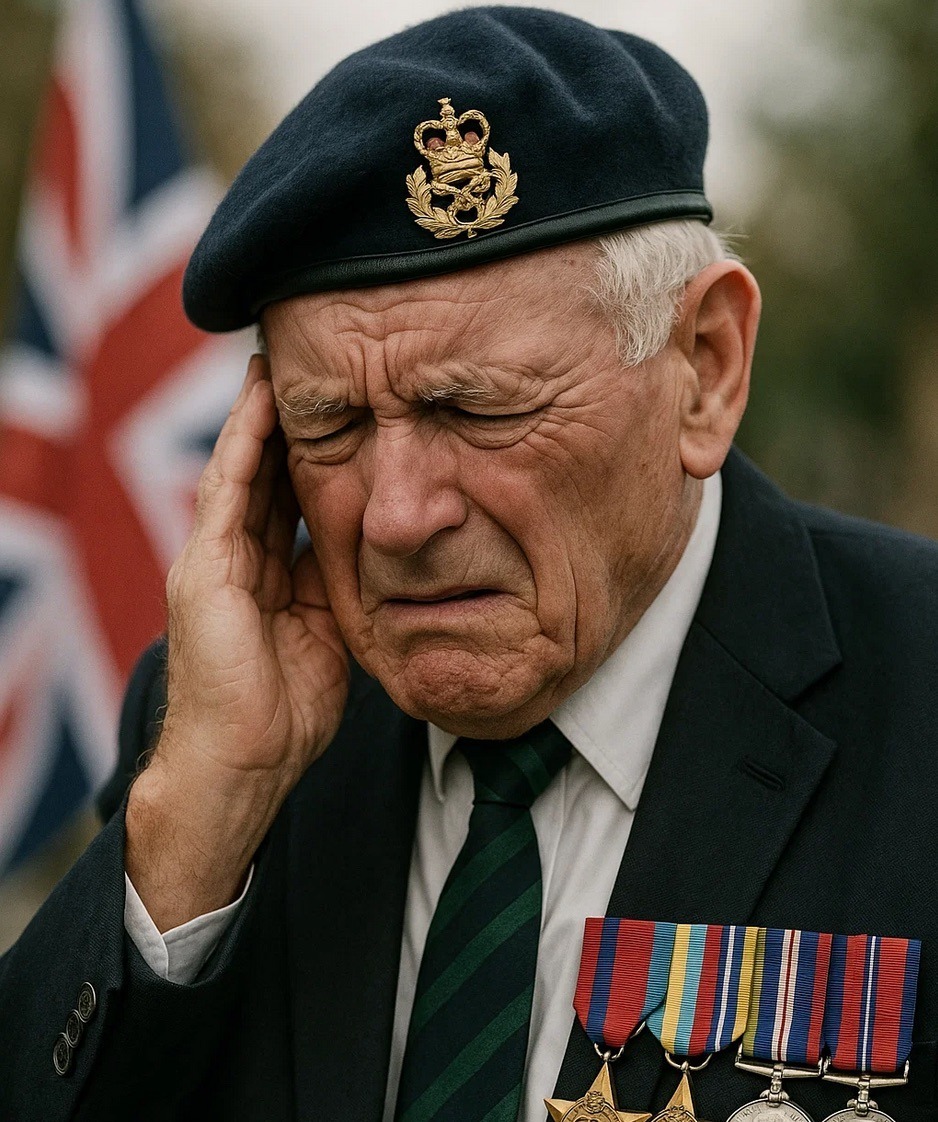
Military life for UK service members often means enduring harsh environments, operating in extreme conditions, and being exposed to intense noise. For many British veterans, one of the long-lasting consequences is hearing loss—a condition that too often goes untreated or under-acknowledged. While much has been said about the physical and psychological toll of this silent injury, one critical aspect is frequently overlooked: its impact on relationships.
The Quiet Divide
Hearing is essential to human connection. It’s how we communicate, understand emotion, and build intimacy. When hearing deteriorates, especially due to military service, it affects more than just the individual—it creates a quiet divide between them and the people they love.
Veterans returning home with untreated hearing loss may struggle to follow conversations, especially in noisy environments or when multiple people are speaking. This can lead to frustration, misunderstandings, and a gradual breakdown in communication with family and friends. In many cases, loved ones may interpret a veteran’s withdrawal or inattention as indifference, rather than recognising it as a symptom of hearing impairment.
The Emotional Impact on Families
Spouses and children are often the first to notice the change. A once-active listener might now respond with “What?” or remain silent. Over time, this can breed resentment or sadness. Partners may feel unheard, both literally and emotionally. Children might stop engaging in longer conversations if they’re constantly being misheard. It’s a slow erosion of connection, made all the more painful by its invisibility.
In many cases, veterans themselves are unaware of the full extent of their hearing loss—or are reluctant to admit it. The stigma around hearing aids and the perception of weakness or ageing can prevent them from seeking help. This denial can make it even harder for loved ones to offer support or suggest solutions.
Isolation Within the Home
Hearing loss doesn’t just affect conversations—it shapes behaviour. Veterans may begin avoiding social situations, family dinners, or events where background noise is overwhelming. They might opt out of phone calls or avoid watching TV with others due to volume disagreements. Over time, this can create emotional distance within a household.
For those who also suffer from tinnitus, the constant ringing in the ears can make irritability and insomnia worse, further straining relationships. Some partners of veterans report feeling like they’re living “parallel lives,” unable to bridge the communication gap.
Stories Behind the Silence
Take, for example, a former infantryman who served in Afghanistan. After returning home, his wife noticed he was increasingly withdrawn. He stopped attending family barbecues and rarely initiated conversations. At first, she thought he was suffering from PTSD. Only after a hearing test did they realise his real issue was moderate-to-severe hearing loss caused by repeated exposure to gunfire and explosions.
Once fitted with hearing aids and enrolled in a rehabilitation programme, his confidence returned. He began engaging more with his children and participating in family events again. The change was not only in how he heard—but in how he connected.
Rebuilding Connection Through Support
The good news is that support is available. From the NHS to military charities like The Royal British Legion, there are services offering hearing assessments, hearing aids, and family counselling. Addressing hearing loss not only improves the veteran’s quality of life but also strengthens relationships strained by years of miscommunication.
Veterans who believe their hearing loss is linked to their service may also be eligible to file army hearing loss claims through the Armed Forces Compensation Scheme (AFCS). Legal professionals such as Greenbank Lawyers can help veterans navigate the process and ensure they receive the compensation and support they deserve.
Creating a Culture of Openness
Talking about hearing loss shouldn’t be taboo. Within military circles, there’s still a tendency to downplay health concerns or suffer in silence. Changing this mindset is key to early diagnosis and effective treatment.
Family members can play a crucial role here. Encouraging loved ones to get their hearing checked, expressing concerns with empathy, and seeking support together can go a long way toward healing not just ears, but hearts.
How Greenbank Lawyers Can Help
If you’re a veteran experiencing hearing loss linked to your military service, Greenbank Lawyers can guide you through the complexities of filing an army hearing loss claim. With expertise in military hearing loss cases, they provide compassionate, tailored legal support designed to secure the compensation you’re entitled to. Greenbank Lawyers work alongside medical professionals and support organisations to ensure that your case is presented clearly, thoroughly, and with the respect it deserves—helping you move forward with confidence and care. For UK veterans, military hearing loss doesn’t end on the battlefield. Its echoes can be felt at the dinner table, during bedtime stories, or in the silence between conversations that never happened.
Acknowledging the issue, seeking help, and accessing available support can rebuild these lost connections. Because no veteran should have to choose between pride and closeness, or suffer the sound of silence when they return home to the people who matter most.


