
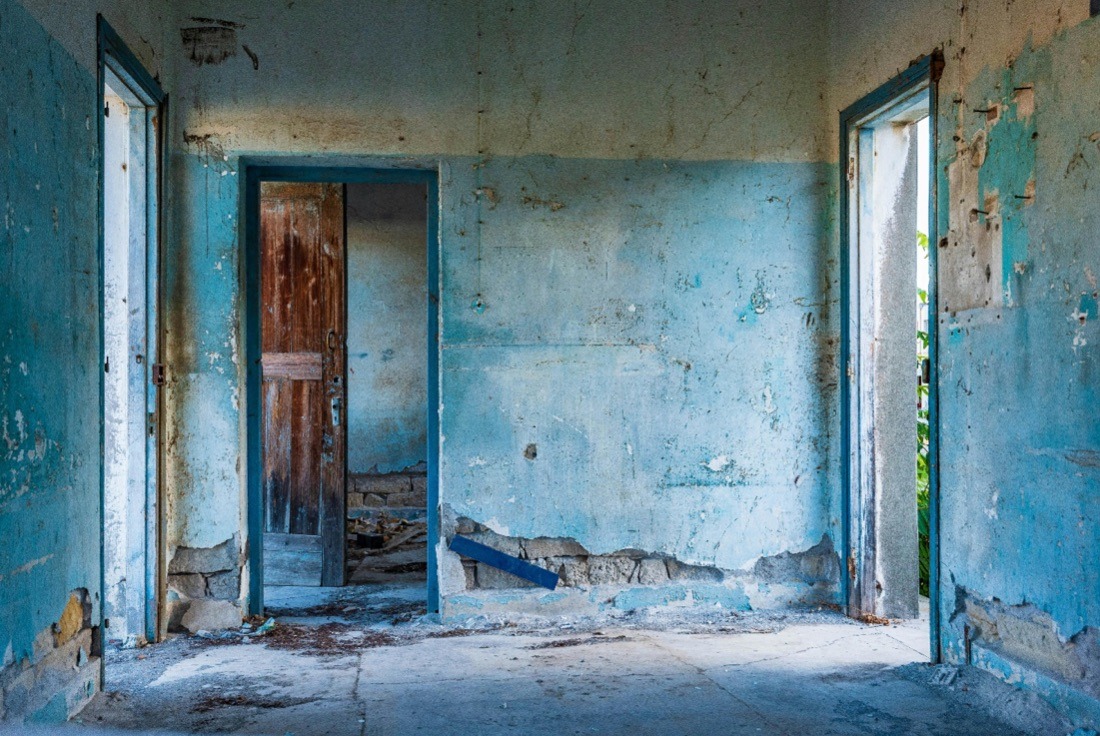
Many tenants experience problems in their rented homes but are unsure whether those issues legally qualify as housing disrepair. As a result, some people continue living with poor conditions for months or even years without realising they may have the right to take action.
Understanding what counts as housing disrepair can help tenants recognise when a landlord may be failing in their legal responsibilities and when it may be time to seek professional advice.
What Counts as Housing Disrepair?
In simple terms, housing disrepair refers to defects or damage within a rented property that a landlord is responsible for repairing. Landlords have a legal duty to ensure that their properties remain safe, structurally sound, and fit for habitation.
Housing disrepair can affect the structure of a property, essential services within the home, or the health and safety of those living there.
Common examples include:
- Damp and mould growth
- Leaking roofs or pipes
- Faulty heating systems
- Unsafe electrical wiring
- Broken windows or doors
- Structural cracks or damage
- Pest infestations caused by defects in the property
- Faulty plumbing or drainage systems
These issues can significantly affect a tenant’s quality of life and, in some cases, create serious health risks.
Not Every Maintenance Issue Is Housing Disrepair
One of the most common misunderstandings is that every problem in a rented property automatically qualifies as housing disrepair.
For example, minor cosmetic issues such as small scuff marks on walls or general wear and tear may not amount to a legal claim. The key question is whether the issue affects the property’s safety, habitability, or the landlord’s legal obligations.
Each case depends on its own circumstances, which is why obtaining legal advice can be helpful when the situation is unclear.
When Does a Landlord Become Responsible?
For a successful housing disrepair claim, it is generally necessary to show that:
- The disrepair exists
- The landlord knew, or should reasonably have known, about the problem
- The landlord failed to carry out repairs within a reasonable period
This is why reporting issues as soon as they arise is so important. Tenants should keep records of emails, letters, text messages, and photographs showing the condition of the property.
The more evidence available, the easier it can be to demonstrate that the landlord was aware of the problem.
How Housing Disrepair Can Affect Your Health
Some forms of disrepair can have consequences beyond property damage.
Damp and mould can contribute to respiratory problems and worsen existing conditions such as asthma. Faulty heating can leave vulnerable individuals exposed to cold temperatures, while electrical defects may present serious safety risks.
In some cases, tenants may also suffer damage to furniture, clothing, or other personal belongings as a result of unresolved issues within the property.
How Greenbank Lawyers Can Help
At Greenbank Lawyers, we understand how frustrating it can be when reported repairs are repeatedly ignored. Our experienced solicitors help tenants understand their rights and determine whether they may have grounds for a housing disrepair claim.
We can assess your circumstances, explain your options, and help you pursue repairs and compensation where appropriate.
All housing disrepair claims are handled on a No Win, No Fee basis, meaning you won’t pay legal fees unless your claim is successful.
Speak to Our Team Today
If you’re unsure what counts as housing disrepair in your situation, speaking to an experienced solicitor can provide clarity.
Contact Greenbank Lawyers today for a confidential discussion and find out whether you may be entitled to make a housing disrepair claim.

